Training as a Height Enhancement for Teens
Last updated October 15, 2026 · Height Enhancements
Training is a height enhancement only in the sense that it supports bone health, appetite, sleep pressure, and posture during open-plate years. It does not detach height from genetics. Smart programming beats risky overload.
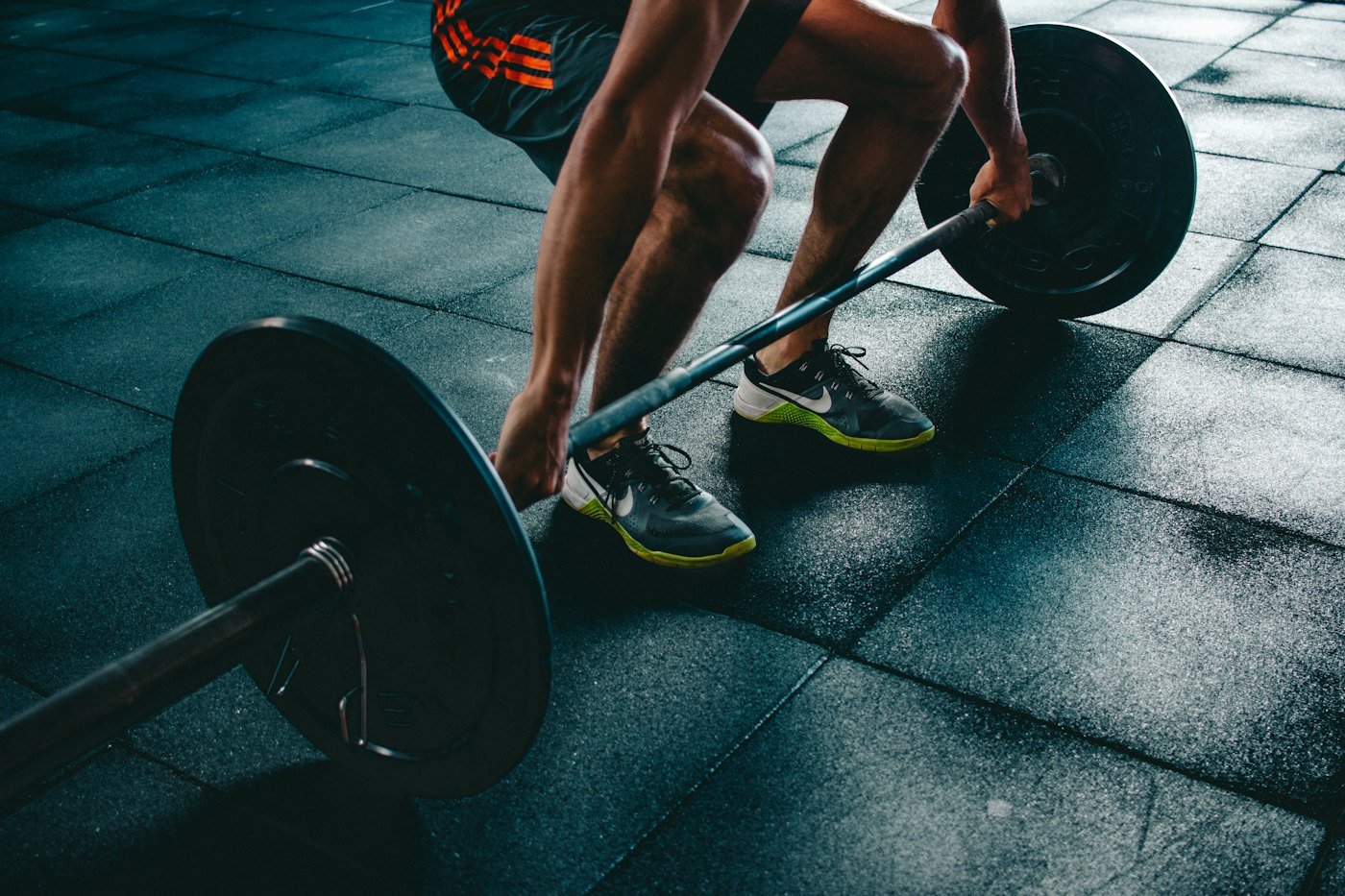
What training can and cannot do
Strength and sport help teens express athletic potential. They do not guarantee extra inches. Still, classifying thoughtful training among height enhancements makes sense because disuse, extreme deficits, and chronic fatigue work against healthy development. The enhancement is “support the growth years,” not “hack the genome.”
Prefer coaching that monitors growth spurts. Coordination can temporarily lag when limbs lengthen quickly—raise skill work, manage landing volume, and keep egos in check.
Programming ideas that respect growth
Include multi-joint strength (squat patterns, hinges, pushes, pulls) at age-appropriate loads. Add sprinting, jumping, and games for bone-loading variety. Schedule rest days. Stretch tight hips and ankles so posture does not collapse after sitting at school.
Avoid adult bodybuilding volume copied from influencers. Avoid stimulant pre-workouts marketed to teens. Avoid specialty “grow taller” stretch machines that overpromise. Progress skill and consistency first.
Recovery is part of the enhancement
Training without sleep is half a plan. Pair practice calendars with bedtime targets. Refuel with protein-rich meals after sessions. If a supplement enters the picture, keep it stimulant-free and transparent, and time it with food rather than as a pre-workout buzz.
Reassess quarterly with coaches and clinicians if pain persists. Growing athletes need ears that listen, not only programs that push. Results vary across every layer—training, food, and any optional product.
Communicate during growth spurts
When shins ache or coordination dips, athletes need language for coaches: growth spurt, not laziness. Adjust plyometric volume, emphasize landing mechanics, and keep protein intake up. Treating pain as a moral failure pushes kids toward unsafe shortcuts marketed as height enhancements.
Parents can track shoe-size jumps and growth-chart visits to anticipate awkward phases. Training quality across those months matters more than heroic PRs.
If a supplement is in use, confirm it stays stimulant-free during heavy practice blocks. Recovery remains the multiplier. Results vary; smart communication prevents injuries that sideline entire seasons.
Fuel around sessions
Pre-practice carbs and post-practice protein keep training from becoming a deficit. Carry a simple snack kit in the gym bag so “I forgot” is rarer. Height-friendly training fails when the only calories are late-night takeout.
Hydration across the school day matters before the whistle. Athletes who drink only at timeouts often underperform the plan they wrote on paper.
If supplements are used, keep them with meals—not as a substitute for the snack kit. Results vary; fueled sessions teach better habits than heroic empty-stomach workouts.
Where a supplement fits in the stack
As one optional piece of a height-enhancements stack—not a magic fix—we point to Peak Height. Doctor-developed with a board-certified U.S. MD, BSCG® certified, no HGH/steroids/stimulants, three tablets with food once a day for about ages 11–22. Formulated below NIH upper limits, with a one-year unused refund minus 15%. Pair it with sleep, food, and movement. Results vary.
Questions
Do height enhancements guarantee taller outcomes?
No. Posture, training, and supplements cannot override DNA. They support healthy development in adolescence when plates remain open. Individual results vary.